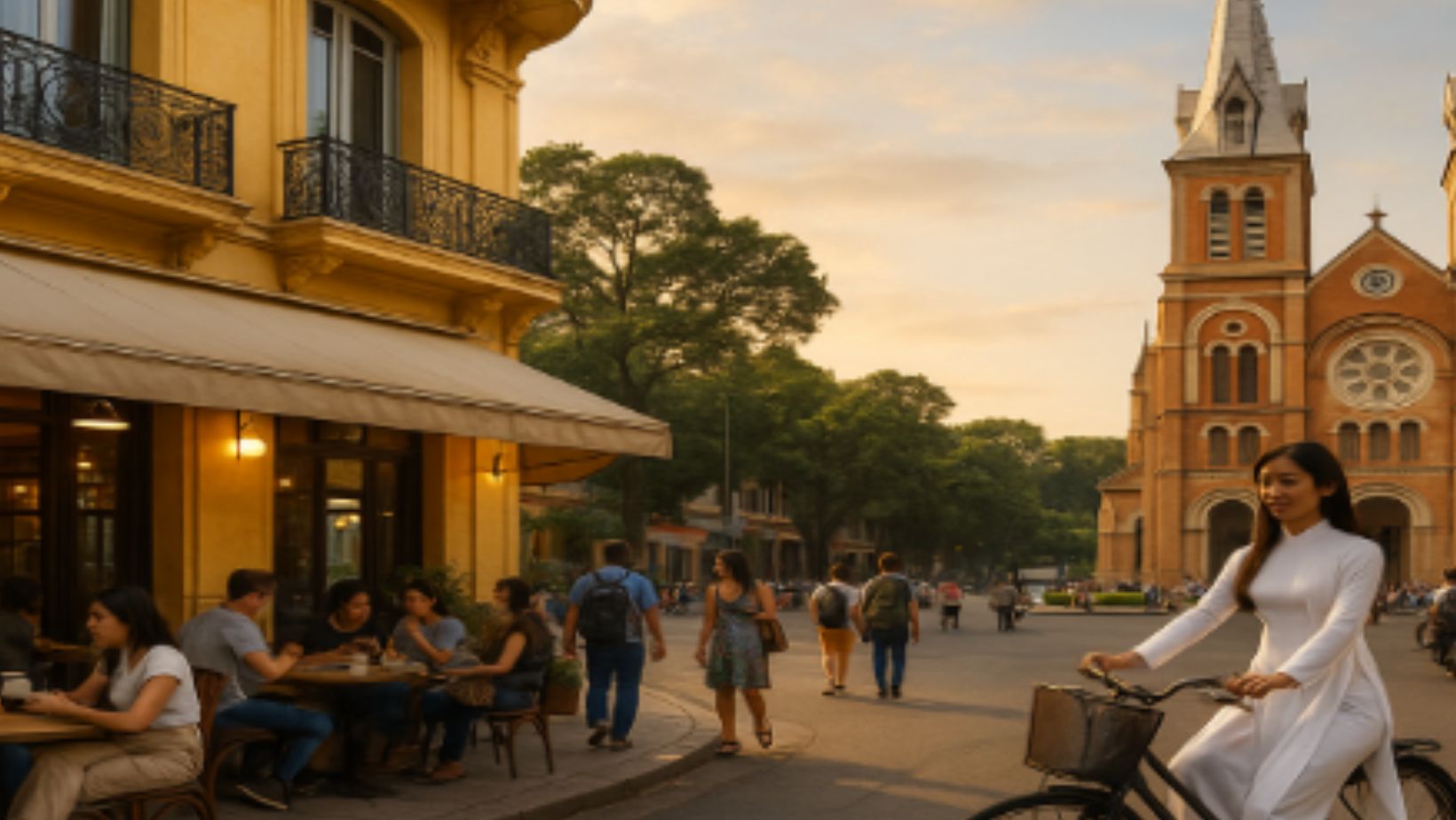
France and Vietnam are separated by continents, climates, and languages—yet their histories have been intertwined for more than a century and a half. Walk through Hanoi’s Old Quarter or Saigon’s District 1 and you’ll feel it: pastel façades with wrought-iron balconies, wide boulevards lined with tamarind trees, pâtisserie cases sharing space with phin-dripped coffee. The relationship is layered—colonial, cultural, culinary, educational, and increasingly economic. Here’s a clear look at how these two countries connect today, with a few thoughtful comparisons along the way.
A Shared Past That Still Shapes the Present
The most visible connection began in the 19th century, when France established French Indochina. That era is complicated and contested, but it left tangible legacies: civil law concepts, urban planning, architecture, and new currents in the Vietnamese language. Quốc ngữ, Vietnam’s Latin-based script, took root in this period; it democratized literacy in the 20th century and remains the standard today.
Comparison: Like many former French territories (think Morocco or Senegal), Vietnam retains French influences without being defined by them. Vietnam’s modern identity is distinctly Vietnamese, yet selective echoes—architectural silhouettes, café rituals, school pedagogy—remain woven into daily life.
Cityscapes and Architecture: From Boulevards to Shophouses
French urban planners left a signature in Hanoi and Ho Chi Minh City: broad avenues, roundabouts, and public squares that contrast with the tight, mercantile energy of traditional shophouse streets. You’ll find Beaux-Arts, Art Deco, and neo-classical public buildings standing alongside pagodas and colonial-era villas adapted into embassies, museums, and cafés.
Comparison: Paris is monumental and symmetrical; Hanoi is intimate and lacustrine, built around lakes and leafy streets. Saigon’s District 1 riffs on Parisian boulevards, but its pulse is Southeast Asian: motorbikes swarm like schools of fish, and street vendors turn sidewalks into living rooms.
Faith, Education, and the Life of the Mind
Catholicism arrived earlier via missionaries, then expanded under French rule; today, Vietnam hosts one of the largest Catholic communities in Asia outside the Philippines. In education, lycée-style schools and French-language programs fostered a bilingual elite in the early 20th century. That tradition continues in a new form through international schools, Alliance Française centers, and university partnerships supporting exchange programs, joint research, and dual-degree pathways.
Comparison: France emphasizes theoretical rigor and centralized standards; Vietnam’s system blends exam-based meritocracy with a pragmatic, rapidly modernizing tilt toward STEM and applied fields. The result: collaborations in engineering, environmental studies, urban planning, and hospitality.
Culinary Cross-Pollination: Beyond Bánh Mì
Food may be the friendliest bridge of all. Wheat bread and dairy—once rare in Southeast Asia—entered Vietnamese kitchens through colonial contact. Over time, Vietnam remixed them into something unmistakably local.
- Bánh mì pairs a French baguette style (lighter, airier) with Vietnamese pickles, herbs, and grilled meats.
- Phở likely absorbed French broth techniques and the taste for beef, then evolved into a national comfort food.
- Pâté chaud (patê sô), flan, and butter-rich pastries show up in bakeries from Hanoi to Saigon, next to sesame-studded bánh.
Coffee culture is a story in itself: introduced by the French, perfected by Vietnam. Robusta beans, sweetened condensed milk, and the iconic phin filter created a style that now travels the world.
Comparison: A Parisian café lingers over conversation; a Saigon café is a study in velocity and variety—egg coffee, coconut coffee, slow drips, and laptop-friendly spaces buzzing late into the night. Both nations elevate café time to an art form, just with different tempos.
Language and Literature
French once served as an administrative and intellectual language in Vietnam. Today, English dominates globally, but French still lives in pockets: diplomacy, heritage schools, and older generations. Literary exchanges—translations of Marguerite Duras, Nguyen Huy Thiep, or contemporary diaspora voices—keep the conversation alive.
Comparison: Where French is the language of theory and tradition, Vietnamese literature brings sensory detail and place: humid nights, market clangor, riverine landscapes. Their meeting point produces nuanced, cosmopolitan storytelling.
People-to-People Ties and the Diaspora
The Vietnamese diaspora in France is one of Europe’s largest, creating vibrant communities in Paris, Lyon, and beyond. These networks sustain restaurants, cultural associations, and festivals, while also fueling academic and entrepreneurial collaboration. Family ties mean regular travel, remittances, and new business ventures that span both countries.
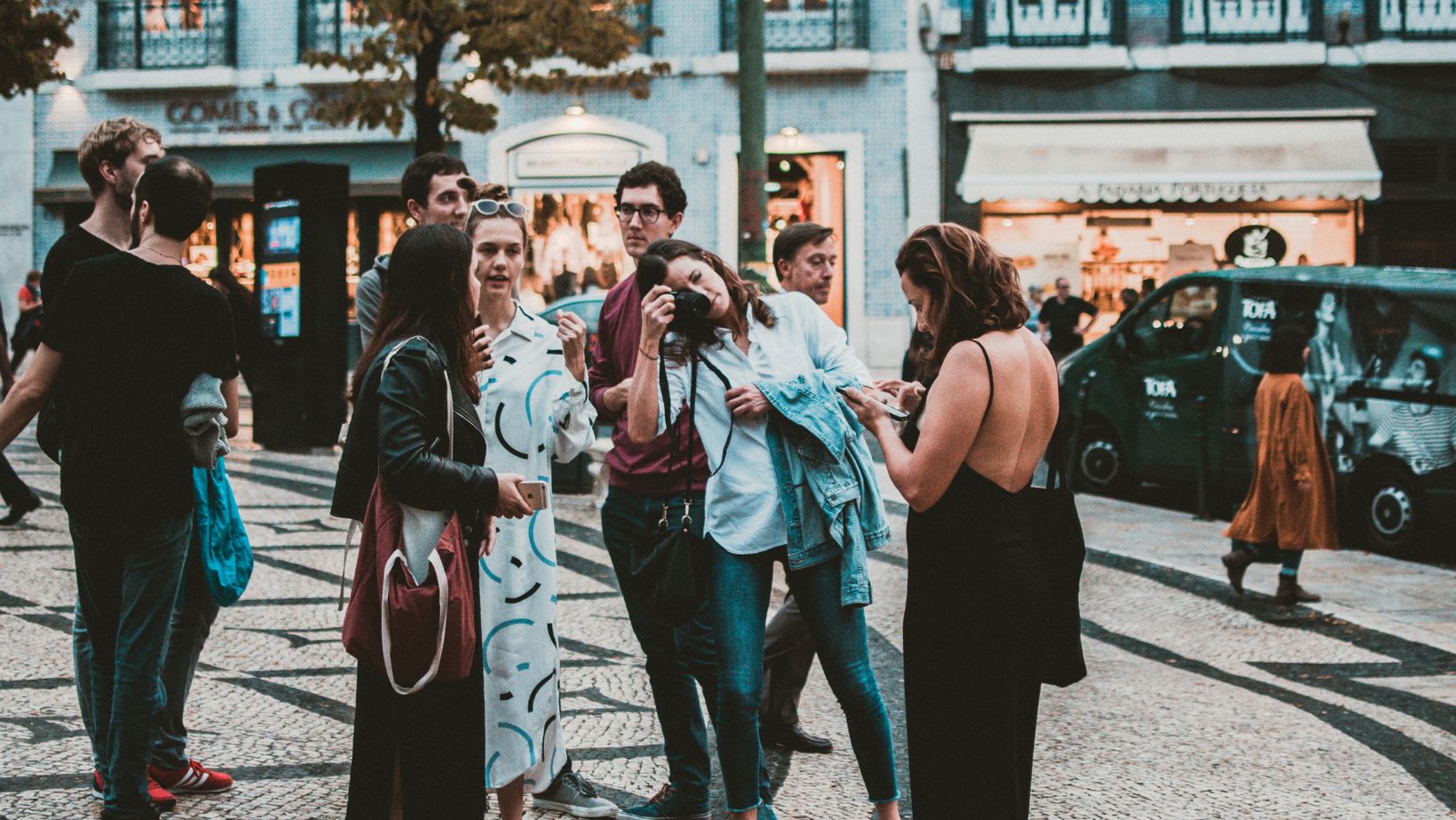
Comparison: French-Vietnamese neighborhoods echo the pattern of Little Saigons worldwide, but with specifically French textures—open-air markets next to cheese counters, bistros that share blocks with phở shops.
Trade, Investment, and Innovation
In recent decades, France and Vietnam have deepened economic cooperation in aerospace, energy, healthcare, luxury goods, and tourism. French companies invest in infrastructure and high-tech services; Vietnamese firms export textiles, footwear, electronics, and agricultural products. Cultural industries—design, fashion, gastronomy—add a softer economic layer, helping shape each country’s image abroad.
Comparison: France exports savoir-faire—branding, design, and regulated excellence—while Vietnam exports speed and scale: agile manufacturing, startup grit, and a can-do digital workforce. Together, they pair refinement with momentum.
Travel and Hospitality: Two Perspectives on the Good Life
Tourism runs both ways. French travelers come for Vietnam’s coastal escapes, highland retreats, and street-food pilgrimages; Vietnamese travelers are drawn to France’s museums, wines, and storied hotels. For students and professionals exploring hospitality or service design, a field study might compare guest experience in Hanoi’s boutique properties with the ritualized luxury of a Paris 5-Star Luxury Hotel—observing how architecture, service choreography, and cultural expectations shape the feel of a stay.
Comparison: Vietnam’s hospitality tilts warm, improvisational, and hyper-attentive; French luxury is choreographed, formal, and steeped in heritage. Both aim to deliver memory and meaning, just through different scripts.
Fashion, Film, and the Arts
French influence surfaces in Vietnam’s fashion education and design language—clean lines, carefully cut silhouettes, and a love for fabric craft. Vietnamese designers respond with lacquer-like sheens, ao dài references, and tropical palettes. Cinema, too, forms a bridge: co-productions and festival circuits move talent and ideas in both directions, while art galleries and residencies connect Saigon, Hanoi, and Paris.
Comparison: Paris is a capital of haute culture; Saigon is a laboratory of subcultures. Together they show how classicism and experimentation can be complementary, not opposites.
Values in Daily Life: Etiquette, Family, and Rhythm
French social life prizes debate and dining; Vietnamese social life prizes harmony and shared meals. In both places, the table is an important stage where relationships are nourished. Family roles differ—Vietnam tends toward multigenerational closeness; France grants wider autonomy to young adults—but both societies “schedule” pleasure: long lunches in France, evening café runs and late-night snacks in Vietnam.
Comparison: If France is the lingering conversation over cheese, Vietnam is the fast-moving conversation over street grills and iced tea. The result in each case is the same: community.
Education and Exchange: A Living Bridge
Student exchanges, internships with French and Vietnamese firms, and research partnerships keep the relationship young. Architecture students sketch colonial villas and modernist townhouses; culinary students study fermentation in both cuisines; business students map retail behaviors on Hanoi’s walking streets and Paris’s boulevards. These experiences turn abstract “influence” into practical skills—design thinking, intercultural communication, and service standards—that travel well across careers.
Comparison: French programs often emphasize theory into practice; Vietnamese programs emphasize practice into mastery. When combined, students learn to analyze deeply and execute quickly.
The connections between France and Vietnam aren’t relics; they’re a living dialogue. Some threads are historical—law, language, urban form. Others are deliciously everyday—coffee, bread, café manners. Still others are forward-looking—design, education, trade, and the arts. The most meaningful connection may be the simplest: both countries know how to make ordinary moments feel special, whether that’s a sidewalk bowl of phở or a perfectly set café table. And in that shared devotion to daily pleasure, you can hear the conversation continuing—softly, persistently, across oceans and generations.