Have you ever wondered how a simple bowl of noodles can tell a story? Well, folks, Ipho Vietnamese cuisine does just that, combining rich history with unforgettable flavors. If you’re ready to jump into a culinary experience that’s as complex as it is delicious, buckle up. We promise you won’t regret this trip to flavor town (and yes, stretchy pants are recommended.).
History Of Ipho
Ipho, or pho as some might call it, has roots that date back to the early 20th century in Vietnam. This beloved dish blossomed during the French colonial period, drawing influences from both local and French culinary practices. Ever heard the tale that its name may have come from the French word ‘feu’? Theories swirl around, but the fact remains that as the dish spread, it rightfully made its way into the hearts of food lovers worldwide. While we might delight in the aromatic broth today, the dish’s evolution reflects Vietnam’s history, culture, and resilience. From humble street carts to chic restaurants, Ipho’s journey captures the essence of a nation in every delightful slurp.
Cultural Significance
In Vietnam, pho isn’t just a dish: it’s a cultural phenomenon. Families gather around steaming bowls, sharing stories and laughter, it’s a bonding experience in every sense. When we enjoy Ipho, we’re not only savoring rich flavors but also partaking in traditions that span generations. This dish has transcended its humble beginnings, and today, it symbolizes national pride for the Vietnamese. In fact, you’ll find Ipho served at celebrations, funerals, and even casual dinners. There’s something magical about how a bowl of Ipho unites people, no matter where they’re from.
Key Ingredients In Ipho
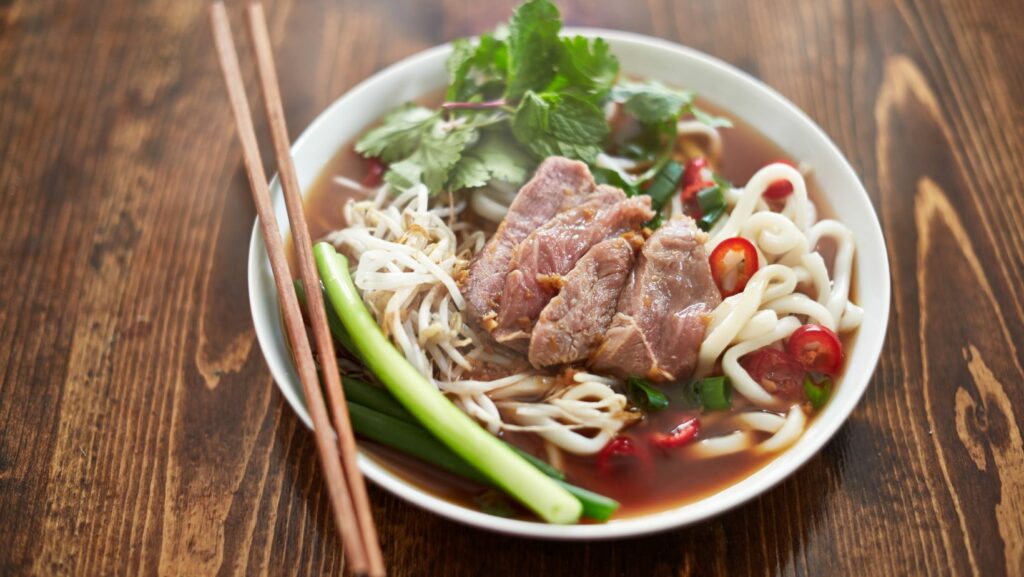
A great Ipho begins with stellar ingredients. The cornerstone of this dish? The broth. We typically simmer beef bones for hours, resulting in a rich, flavorful liquid that’s worth every minute. But wait, you didn’t think it was just about the broth, did you? Fresh herbs like basil and cilantro mingle with rice noodles, adding a perfect pop of flavor. Let’s not forget about the star of the show: the thinly sliced meat, often eye-round or brisket. Add to that a dash of fish sauce, a squeeze of lime, and crunchy bean sprouts, and you’ve got a bowl that sings with flavor.
Ipho Preparation Techniques
Now, let’s roll up our sleeves and discuss how we whip up our beloved Ipho right in our kitchens. First things first, crafting the broth is an art. We carefully roast spices like ginger and onion before adding them to a pot of simmering bones. Patience is key here: after all, good things come to those who wait, right? Next, we layer in our noodles and meat, ensuring that everything is heated just right. Each step is essential, and as we assemble our bowls, we get to unleash our creativity with garnishes. Whether we like it spicy or fresh, the options are limitless.
Regional Variations Of Ipho
Oh, the diversity of Ipho. Variations abound across Vietnam. In Hanoi, we might enjoy a lighter, clearer broth, while in Ho Chi Minh City, they may serve it richer and sweeter. Then there’s the addition of different meats and herbs, showcasing how regional ingredients can change the entire profile of this beloved dish. Each location has its twist, and exploring these variations is like a delicious culinary road trip through Vietnam.
Tips For Enjoying Ipho
So, how do we make the most of our Ipho experience? First, let’s talk about toppings. Don’t shy away from adding a squeeze of lime or a sprig of fresh herbs. And, if you’re feeling adventurous, a dollop of hoisin sauce can elevate your bowl to new heights. Remember, Ipho is best experienced fresh: so, try to savor it while it’s piping hot. Finally, pairing it with a refreshing drink like Vietnamese iced coffee can round off your meal perfectly. Trust us, once you immerse, each bite will transport you to the vibrant streets of Vietnam.